


Table of Contents

Win more bids. Close more jobs. Start with our newsletter.
Get exclusive insights, tips, and trends your competition doesn't want you to know.

Updated on September 18, 2026
So you have decided to become a roofer. That is a solid choice. Roofing offers hands-on work, steady demand, and real earning potential for people who are willing to learn the trade.
Like any trade, roofing also comes with real challenges. If you are new to the industry or thinking about joining it, a clear roadmap makes the first steps a lot easier. Here is what you need to know to start a roofing career the right way.
Quick answer
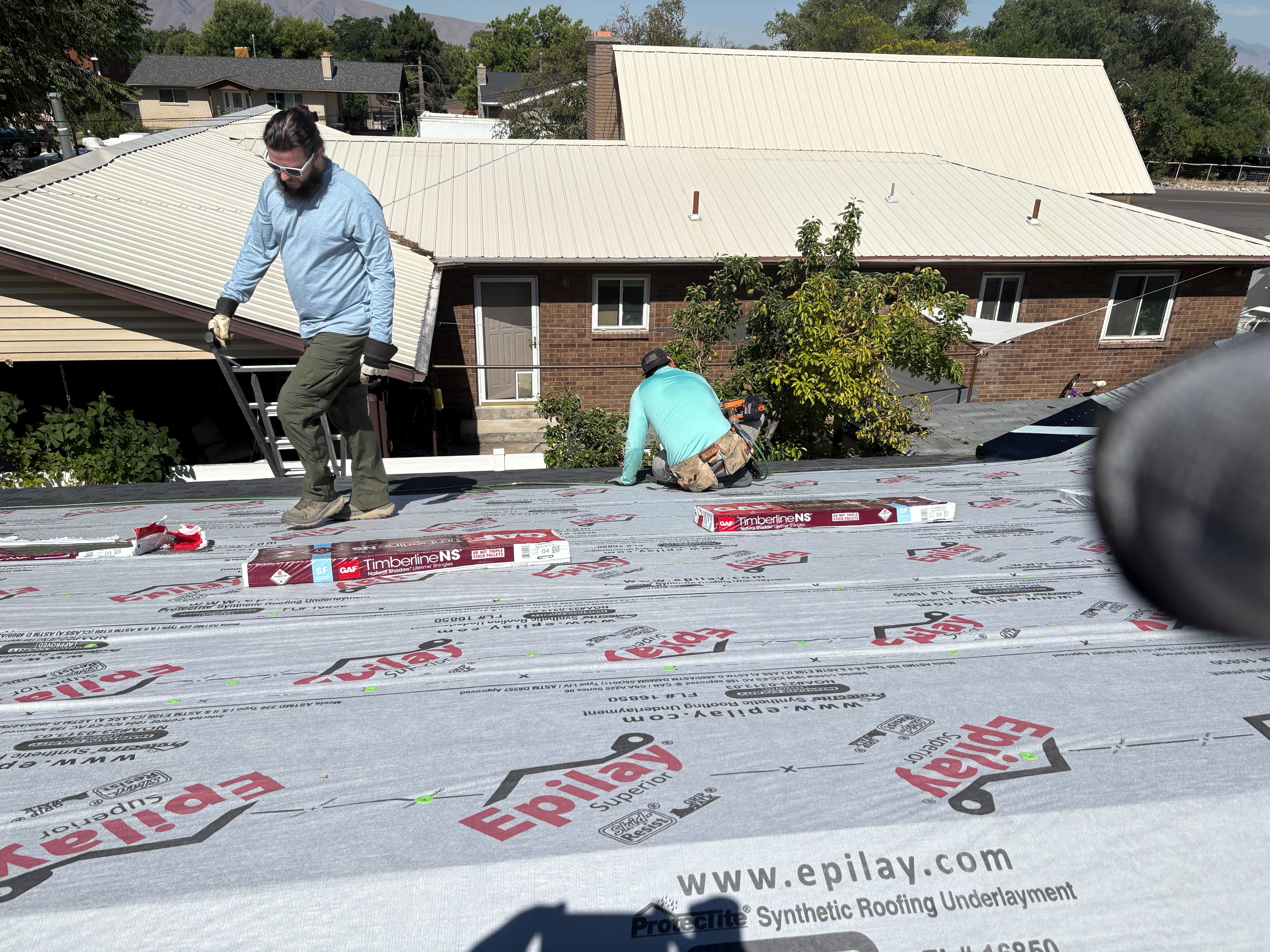
To become a roofer, get hands-on experience through an entry-level crew job or an apprenticeship, learn core skills like installing shingles, flashing, and underlayment, follow OSHA safety practices, and check the license rules in your state. Most roofers learn on the job with no formal degree required, and the median roofer earns 55,440 dollars a year.
Key takeaways
- Most roofers learn on the job, and no formal degree is required to start.
- The median roofer earns 55,440 dollars a year, and the top 10 percent earn more than 81,720 dollars.
- Roofing employment is projected to grow five percent from 2025 to 2035, faster than the average job.
- Safety training and the right gear matter from day one, because roofing has one of the highest injury rates of any occupation.
- Software keeps new roofers organized, since nearly 80 percent of roofers now run their business in a CRM.
How do you get into roofing?
To get into roofing, start with hands-on experience through an entry-level crew job or an apprenticeship, then build your skills under seasoned pros.
There are no formal education requirements for roofers, and most learn on the job, according to the U.S. Bureau of Labor Statistics. A few groups also sponsor apprenticeships that pair paid work with classroom instruction. Apprentices usually start at about half of what experienced journey workers earn, then get raises as their skills grow.
Learning next to experienced roofers is the fastest way to pick up the basics and avoid rookie mistakes. Ask questions, watch how the crew handles each step, and treat every job as a chance to get better.
What should you know before becoming a roofer?
Before you commit, know that roofing is physically demanding and among the most dangerous trades, it rewards specific technical skills, and pay grows with experience.
Is roofing dangerous?
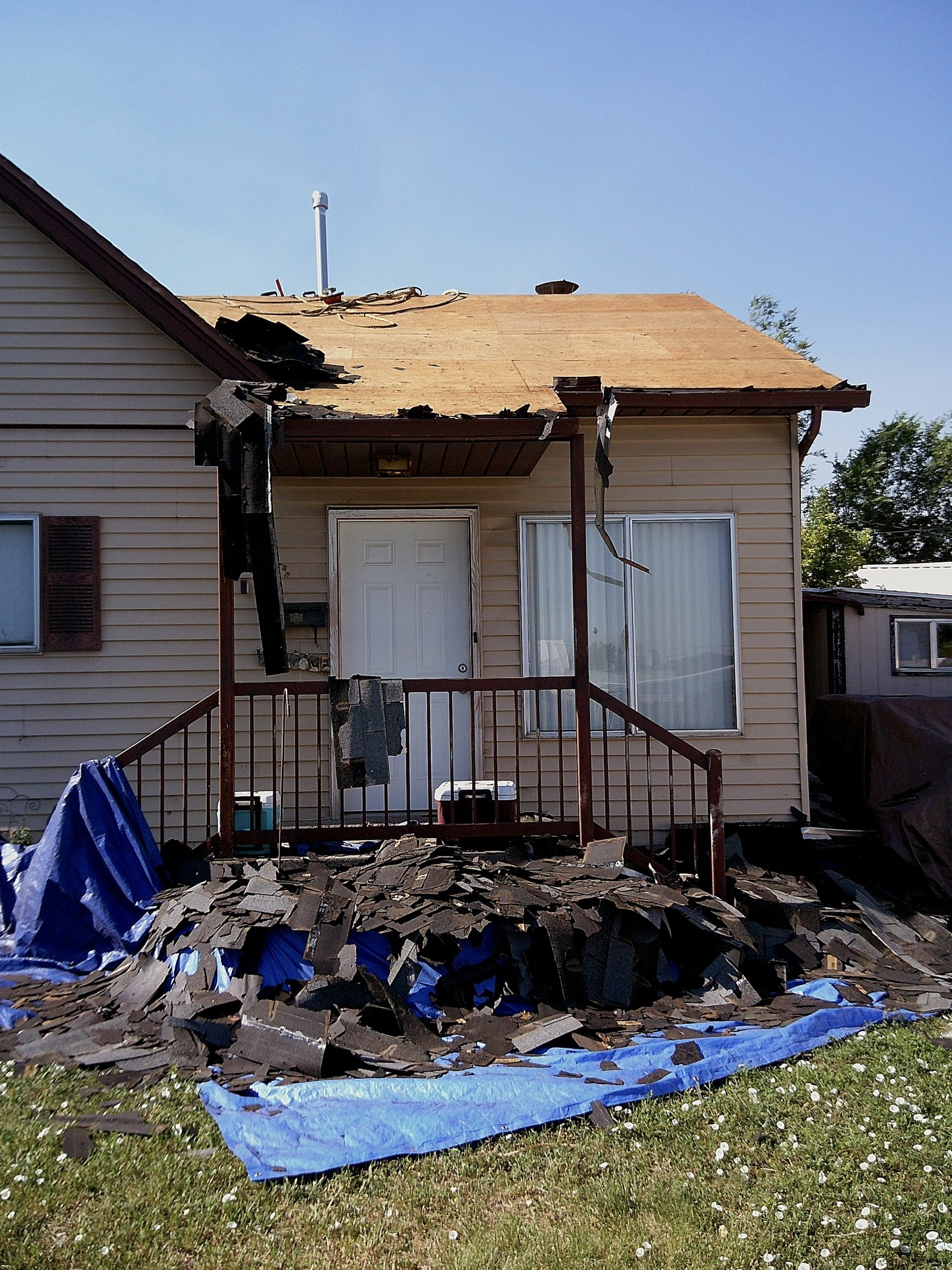
Yes. Roofers have one of the highest rates of injuries and one of the highest rates of on-the-job fatalities of any occupation, per the Bureau of Labor Statistics. Workers can slip or fall from ladders, scaffolds, or roofs, and roofs get dangerously hot in summer.
The job involves working at height and often in tough weather. Proper protective gear and standard safety protocols keep you on the job and out of the hospital. Learn more about staying safe in our guide to roofing safety.
What skills do roofers need?
Roofers need to install and repair shingles, flashing, and underlayment, read a roof, and safely handle tools like nail guns, drills, ladders, and harnesses.
Start with the fundamentals of shingling, flashing, and laying underlayment, then keep up with new materials and methods as they come out. You also need a good handle on your gear, so it helps to know your roofing tools and equipment inside and out.
How much do roofers make?
The median roofer in the United States earns 55,440 dollars a year, or about 26.65 dollars an hour, according to the Bureau of Labor Statistics May 2025 data. The lowest 10 percent earn less than 37,460 dollars, and the highest 10 percent earn more than 81,720 dollars.
Pay climbs with experience, specialization, and location. Metal, slate, and commercial work tend to pay more, and some states pay well above the national median. See the full breakdown of roofer salaries by state and experience.
What steps set new roofers up for success?
New roofers succeed by learning local codes, planning their career, sharpening sales skills, using roofing software, and getting licensed where it is required.
Do you need a license to become a roofer?
It depends on your state. Some states require a roofing license, while others do not, so check your local requirements before you take on paid work.
Licensing rules and local codes change over time, so stay current as standards evolve. Getting the right credentials proves you are qualified and helps you avoid costly fines. Start with our overview of roofing license requirements.
How do you plan for a roofing career?
Set clear goals and track your progress with a simple career or business plan, whether you want to move up in a company or start your own crew.
A plan keeps your progress on track and keeps you motivated to sharpen your skills. Decide what you are aiming for, then map the steps and check in on them often.
How do sales skills help roofers win jobs?
Strong sales skills help you build trust, explain your estimates clearly, and give homeowners a reason to choose you over other bidders.
Homeowners rank clear communication right next to price when they decide who to hire. Practice talking through your services, your estimates, and your timelines in plain language. Building good rapport is one of the most reliable ways to win more work.
Why should new roofers use roofing software?
Roofing software keeps your leads, quotes, schedules, and payments in one place, which matters because nearly 80 percent of roofers now run their business in a CRM, according to the JobNimbus Peak Performance 2026 report.
Speed and organization win jobs. The same report found that 86 percent of roofers respond to new leads within 12 hours, while the highest-rated companies reply in under 30 minutes. A platform like roofing software from JobNimbus helps you track customers, send quotes, schedule crews, and collect payments from one place, so you can focus on the work. JobNimbus is the guide here, and you are the one building the business.
Is roofing a good career in 2026?
Yes. Roofing offers steady demand, no-degree entry, and clear paths to higher pay, and the field is projected to grow faster than the average job.
The Bureau of Labor Statistics projects roofer employment to grow five percent from 2025 to 2035, faster than the average for all jobs, with about 12,000 openings each year. Demand is steady, too: roughly 80 percent of roofing work now comes from repairs and replacements on aging buildings, and the U.S. roofing industry is expected to reach 92.5 billion dollars in 2026, according to IBISWorld.
Here are some data points around the roofing industry:
- 55,440 dollars - Median annual roofer pay
- 5 percent - Projected job growth, 2025 to 2035
- 12,000 - New roofer openings per year
- 92.5 billion dollars - Size of the U.S. roofing industry in 2026
Start your roofing career the right way
Entering the roofing trade can be a smart career move, with room to build specialized skills and earn a solid income over time.
By learning the fundamentals, staying safe, keeping up with the industry, and using technology to stay organized, you can build a roofing career that lasts. Take on the challenges, and enjoy the work you are building.
Start a free 14-day trial of JobNimbus today to start your roofing career off on the right track.

Frequently Asked Questions
It depends on where you work. Some states require a roofing license and others do not, so check your state and local rules before taking on paid jobs. Licensing requirements and roofing codes also change over time, so it helps to stay current.
The median roofer in the United States earns 55,440 dollars a year, or about 26.65 dollars an hour, according to the U.S. Bureau of Labor Statistics (May 2025). The lowest 10 percent earn less than 37,460 dollars, and the top 10 percent earn more than 81,720 dollars. Pay grows with experience, specialization, and location.
No. There are no formal education requirements for roofers, and most learn on the job. Some roofers enter the trade through an apprenticeship that pairs paid work with classroom instruction, according to the U.S. Bureau of Labor Statistics.
Roofing offers steady demand, no-degree entry, and clear paths to higher pay. Employment is projected to grow five percent from 2025 to 2035, faster than the average job, with about 12,000 openings each year, per the U.S. Bureau of Labor Statistics.
New roofers should learn to install and repair shingles, flashing, and underlayment, read a roof, and safely handle tools like nail guns, drills, ladders, and harnesses. Safety training and comfort working at heights are essential from day one.

Blog / Guide Title CTA
Once you've created a strong Linkedin profile, you can leverage it as part of your broader marketing strategy. Use your Linkedin to share content, join industry groups, and network with others in the contracting space.
If you're looking for additional marketing support, consider partnering with JobNimbus Marketing to maximize your business growth. Schedule a call with our team to learn how to boost your marketing efforts today.
Blog / Guide Title CTA
Once you've created a strong Linkedin profile, you can leverage it as part of your broader marketing strategy. Use your Linkedin to share content, join industry groups, and network with others in the contracting space.
If you're looking for additional marketing support, consider partnering with JobNimbus Marketing to maximize your business growth. Schedule a call with our team to learn how to boost your marketing efforts today.
Download Our Free Tips for Recession-Proofing Your Company
We’ll show you five simple things you can do to help your business survive a recession.